Losing a personal item while traveling can be stressful, but recovering it is often easier than you think. If you’ve misplaced something on an Amtrak train or at a station, there are clear steps you can follow to increase your chances of getting it back.
This complete guide explains how Amtrak’s lost and found system works, how to report missing items, and what to expect during the recovery process.
Overview of Amtrak Lost and Found
Amtrak operates a centralized lost and found system designed to help passengers recover misplaced belongings.
Key Highlights
- Lost items are logged and stored at stations or service centers
- Claims must be submitted online or through support
- Recovery depends on item type and reporting speed
- Items are typically held for a limited time
Common Items Lost on Amtrak
Passengers frequently leave items behind during travel.
Most Reported Lost Items
- Phones and tablets
- Laptops and electronics
- Wallets and IDs
- Bags and luggage
- Clothing and accessories
Step-by-Step: How to Report a Lost Item
Acting quickly is critical when trying to recover lost belongings.
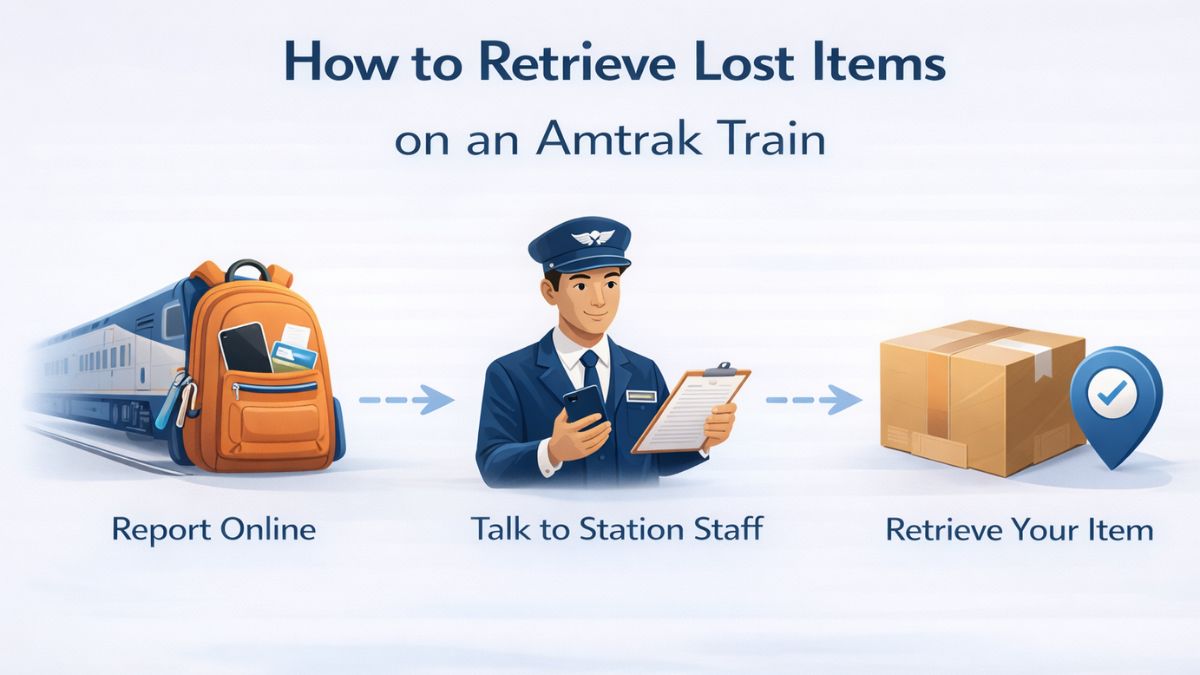
Method 1: Online Lost & Found Form
- Visit the Amtrak website
- Go to “Lost and Found” section
- Fill out the claim form
- Provide detailed item description
- Submit your request
Method 2: Call Customer Support
You can also report your lost item by phone.
Need Help Reporting or Booking?
For assistance with lost items or ticket bookings, call:
+1(888) 929-3161
Method 3: Visit the Station
If you’re still near your arrival station:
- Speak to station staff immediately
- Provide trip and seat details
- Check if the item has been found
Information You’ll Need to Provide
Providing accurate details improves your chances of recovery.
Required Details Table
| Information | Example |
|---|---|
| Travel Date | June 15, 2026 |
| Train Number | Train 91 |
| Seat/Car | Coach 3 |
| Item Description | Black backpack with laptop |
| Contact Info | Phone & email |
Where Lost Items Are Stored
Lost items are handled based on where they are found.
Storage Locations
| Location | Description |
|---|---|
| Train Crew | Immediately found items |
| Station Office | Items turned in at stations |
| Central Lost & Found | Unclaimed items transferred |
How Long Does Amtrak Keep Lost Items?
Amtrak keeps items for a limited time before disposal.
Retention Policy
| Item Type | Hold Time |
|---|---|
| General Items | Up to 30 days |
| Valuables | Longer holding period |
| Perishable Items | Discarded quickly |
Tracking Your Lost Item Request
After submitting a claim, you can track your request.
What Happens Next
- Claim is reviewed by staff
- Item is matched with description
- You are contacted if found
Shipping and Pickup Options
Once your item is found, you’ll have options to retrieve it.
Retrieval Methods
| Method | Details |
|---|---|
| Station Pickup | Collect at designated station |
| Shipping | Item mailed to your address |
| Third-Party Pickup | Authorized person collects |
Costs for Item Recovery
Some recovery methods may involve fees.
Cost Breakdown
| Service | Cost |
|---|---|
| Claim Submission | Free |
| Shipping Fee | $10 – $30 |
| Packaging | Included or small fee |
Tips to Increase Your Chances of Recovery
Best Practices
- Report the item immediately
- Provide detailed descriptions
- Include identifying features
- Check your email regularly
What to Do Immediately After Losing an Item
Quick Action Checklist
- Retrace your steps
- Contact station staff
- Submit a claim online
- Call support for urgent items
Items That Are Harder to Recover
Some items are more difficult to track.
Challenging Items
- Small items (earbuds, jewelry)
- Unlabeled belongings
- Items left in busy areas
Preventing Lost Items During Travel
Prevention is always better than recovery.
Travel Safety Tips
- Keep valuables in one bag
- Double-check your seat before leaving
- Label your belongings
- Use tracking devices if possible
Common Mistakes to Avoid
- Waiting too long to report
- Providing vague descriptions
- Forgetting travel details
- Not checking spam emails for updates
Pro Tips for Frequent Travelers
- Take photos of your luggage
- Keep digital copies of documents
- Use luggage tags with contact info
- Store valuables in carry-on bags