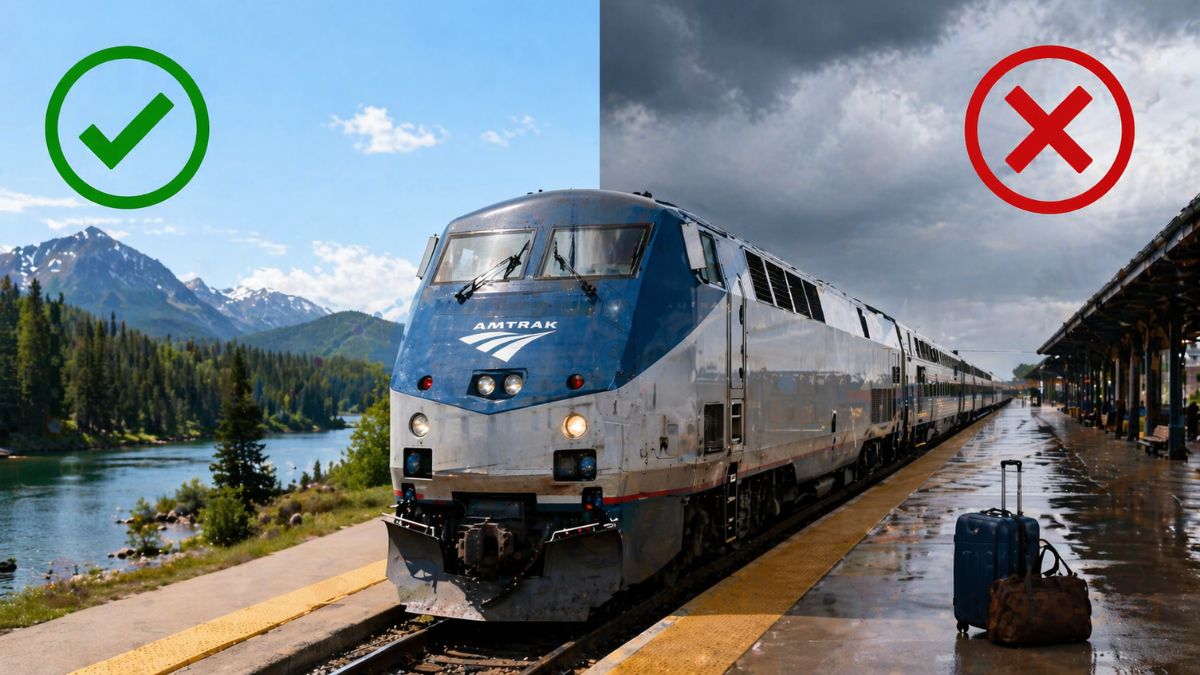
Traveling with Amtrak can be a refreshing alternative to flying or driving—but it’s not always perfect. While many passengers love the comfort and scenic routes, others point out delays, pricing issues, and service inconsistencies.
This in-depth guide breaks down the real pros and cons of riding Amtrak, helping you decide if it’s the right choice for your next trip.
What Is Amtrak and How Does It Work?
Amtrak is the United States’ primary intercity passenger rail service, connecting over 500 destinations across 46 states. It offers a mix of:
- Long-distance routes (overnight trains)
- Regional corridor services
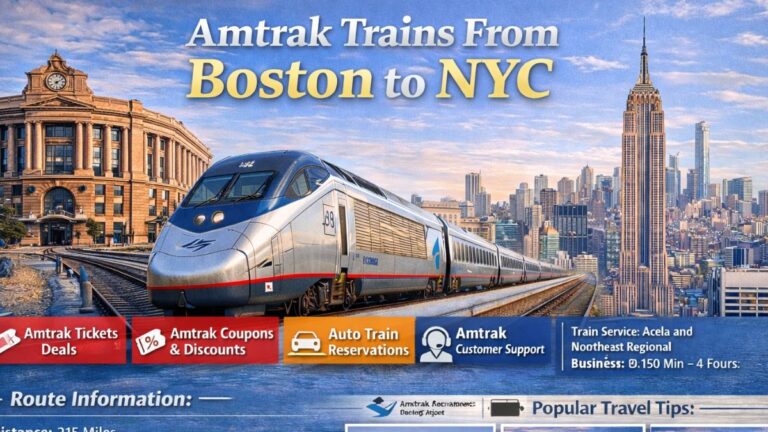
- High-speed options like Acela in the Northeast
Passengers can choose from coach seating, business class, or private sleeper accommodations depending on the route.
Quick Overview: Pros vs Cons of Amtrak
| Category | Pros | Cons |
|---|---|---|
| Comfort | Spacious seats, legroom | Older trains on some routes |
| Cost | Budget-friendly deals available | Can be expensive last-minute |
| Speed | Relaxing travel experience | Slower than flights |
| Scenery | Beautiful views | Not all routes are scenic |
| Reliability | No airport-style delays | Train delays can occur |
| Accessibility | City-center stations | Limited rural coverage |
The Pros of Riding Amtrak
1. Comfortable Seating and Space
One of Amtrak’s biggest advantages is comfort.
- Wide, reclining seats
- More legroom than airplanes
- No middle seats in most configurations
- Ability to walk around freely
For long journeys, this makes a significant difference compared to cramped flights.
2. Scenic Travel Experience
Amtrak is known for some of the most scenic train journeys in North America.
- Coastal views along California routes
- Mountain landscapes on western routes
- River valleys and forests in the Midwest
Unlike flying, you actually get to enjoy the journey—not just the destination.
3. No Airport Hassles
Forget long security lines and early check-ins.
- Arrive 30–45 minutes before departure
- No TSA-style screening
- Easier boarding process
This makes Amtrak ideal for stress-free travel.
4. Flexible Baggage Policy
Amtrak allows more generous baggage compared to airlines.
| Feature | Amtrak | Airlines |
|---|---|---|
| Carry-on Bags | 2 Free | Usually 1 |
| Checked Bags | Often Free | Extra Fees |
| Weight Limits | Higher | Lower |
5. City-Center Stations
Most Amtrak stations are located in downtown areas, saving time and transportation costs.
- Easy access to hotels and attractions
- No long airport transfers
- Better connectivity with local transit
6. Eco-Friendly Travel
Train travel is one of the most environmentally friendly transportation options.
- Lower carbon emissions than planes and cars
- Efficient fuel usage
- Supports sustainable travel choices
The Cons of Riding Amtrak
1. Delays Are Common
Amtrak trains often share tracks with freight trains, which can cause delays.
- Late arrivals are not uncommon
- Limited control over track priority
- Delays can range from minutes to hours
2. Slower Than Flying
If speed is your priority, Amtrak may not be ideal.
| Route Type | Train Time | Flight Time |
|---|---|---|
| Short Distance | Comparable | Faster |
| Long Distance | Much Longer | Significantly Faster |
3. Pricing Can Be Unpredictable
Amtrak fares fluctuate based on demand.
- Cheap tickets when booked early
- High prices during peak travel times
- Sleeper cabins can be very expensive
4. Limited Route Coverage
While Amtrak covers many cities, it doesn’t reach everywhere.
- Limited service in rural areas
- Some regions have only one daily train
- Not ideal for all travel needs
5. Aging Equipment on Some Routes
Not all trains are modern.
- Older cars on certain long-distance routes
- Inconsistent onboard experience
- Maintenance varies by route
6. Wi-Fi and Connectivity Issues
While Wi-Fi is available on many trains, it’s not always reliable.
- Weak signal in remote areas
- Not suitable for heavy work or streaming
- Mobile data may also drop
Who Should Ride Amtrak?
Amtrak is a great choice for:
- Leisure travelers who enjoy scenic journeys
- People who prefer comfort over speed
- Travelers avoiding airports
- Eco-conscious passengers
It may not be ideal for:
- Business travelers on tight schedules
- Long-distance trips where time is critical
- Travelers needing precise arrival times
Tips to Get the Best Amtrak Experience
Smart Travel Tips
- Book tickets early for the best prices
- Travel midweek to avoid crowds
- Choose business class for extra comfort
- Bring snacks and entertainment
- Check train status before departure
Ticket Prices and Deals
Amtrak pricing varies depending on route, timing, and class.
Average Fare Guide
| Class | Price Range |
|---|---|
| Coach | $25 – $120 |
| Business | $60 – $180 |
| Sleeper | $200 – $800+ |
How to Save Money
- Book 2–3 weeks in advance
- Look for seasonal promotions
- Use rail passes for multiple trips
- Travel during off-peak hours
Amtrak Ticket Deals & Booking Support
For the latest fares, discounts, and reservations:
Call: +1(888) 929-3161
Amtrak vs Other Travel Options
| Feature | Amtrak | Flights | Driving |
|---|---|---|---|
| Comfort | High | Low–Moderate | Moderate |
| Speed | Moderate | Fast | Varies |
| Cost | Variable | High | Fuel-dependent |
| Stress Level | Low | High | Moderate |
| Scenery | Excellent | Limited | Good |
Final Verdict: Is Amtrak Worth It?
The truth about Amtrak is simple—it depends on your priorities.
- If you value comfort, scenery, and a relaxed journey, Amtrak is an excellent choice.
- If you need speed, strict schedules, or budget consistency, other options may be better.
For many travelers, Amtrak offers a unique experience that combines nostalgia, convenience, and modern travel.