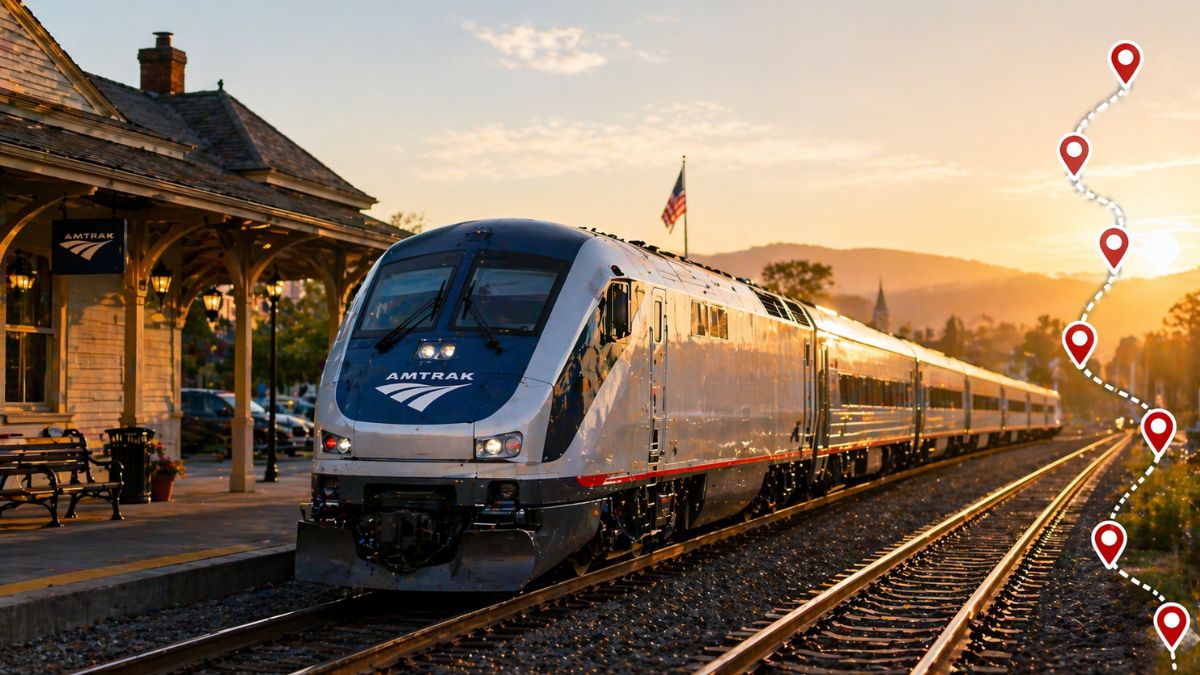
When Amtrak introduces a new train or service, it’s more than just a transportation upgrade—it’s an invitation to explore America in a completely new way. To truly understand the experience, I set out on a full journey, stopping at every station along the route to see what makes each destination unique.
This guide documents that journey in detail—covering stations, onboard experience, travel tips, pricing, and whether this new Amtrak route is actually worth it in 2026.
Overview of Amtrak’s New Train Experience
Amtrak’s newest service focuses on improving:
- Passenger comfort
- Travel efficiency
- Regional connectivity
- Station accessibility
The goal is to modernize rail travel while maintaining the relaxed, scenic experience that makes train journeys special.
Route Overview and Station Breakdown
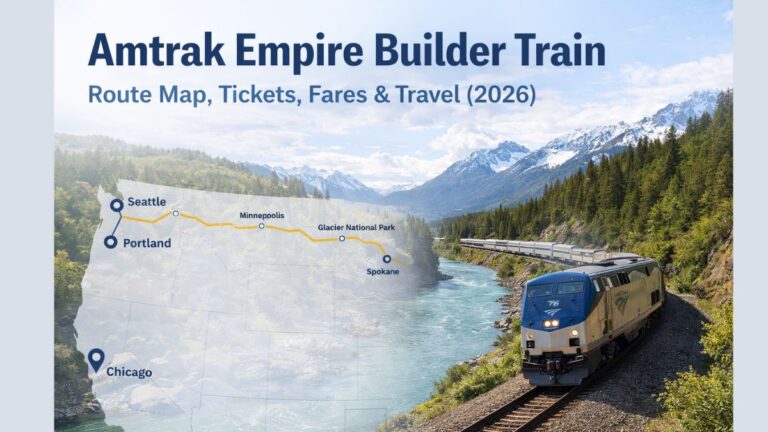
While routes may vary depending on the specific service, most new Amtrak lines follow a structured corridor connecting major cities and regional stops.
Sample Route Overview Table
| Stop Number | Station Name | State | Type |
|---|---|---|---|
| 1 | Major City Hub | IL | Urban |
| 2 | University Town | IL | Regional |
| 3 | Small Town Stop | KY | Rural |
| 4 | Mid-Size City | TN | Urban |
| 5 | Cultural Destination | MS | Tourist |
| 6 | Final Terminal | LA | Major Hub |
What It’s Like Visiting Every Station
Traveling station-to-station offers a completely different perspective compared to a direct journey.
Key Observations
- Each station has its own character and pace
- Smaller towns often have minimal facilities
- Major hubs offer lounges, dining, and services
- Boarding processes vary by location
Types of Stations You’ll Encounter
1. Major City Stations
These are the busiest and most equipped stops.
- Full-service ticketing
- Waiting lounges
- Food and retail options
- Easy connections to local transit
2. Regional Stations
Mid-sized stops that balance convenience and simplicity.
- Basic waiting areas
- Limited staff presence
- Parking availability
- Quick boarding process
3. Rural Stops
Smaller stations with minimal infrastructure.
- Platform-only boarding
- Limited shelter
- No food or retail
- Quiet, low-traffic environment
Onboard Experience: What Stayed Consistent
Despite varying stations, the onboard experience remains consistent across the journey.
Core Features
- Comfortable seating with extra legroom
- Power outlets at seats
- Clean restrooms
- Café service on most routes
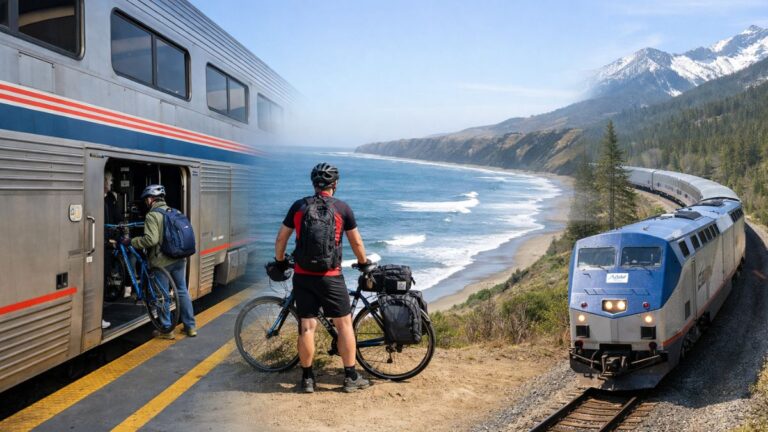
- Large windows for scenic views
Travel Time Between Stations
Stopping at every station significantly increases travel time but enhances the experience.
Example Travel Time Table
| Segment | Distance | Travel Time |
|---|---|---|
| City A to City B | 120 miles | 2 hours |
| City B to City C | 90 miles | 1.5 hours |
| City C to City D | 150 miles | 3 hours |
Pros of Visiting Every Station
Advantages
- Discover hidden destinations
- Experience local culture
- Flexible travel planning
- Opportunity for short stopovers
- More immersive journey
Cons of Visiting Every Station
Disadvantages
- Longer total travel time
- Frequent boarding interruptions
- Limited amenities at smaller stops
- Potential delays
Ticket Prices and Cost Breakdown
Ticket costs depend on distance, class, and booking time.
Average Fare Table
| Travel Type | Price Range |
|---|---|
| Short Segment | $15 – $50 |
| Mid-Route Travel | $40 – $120 |
| Full Route | $100 – $250 |
How to Save Money on Multi-Stop Trips
- Book segments in advance
- Use rail passes for flexibility
- Travel during off-peak days
- Avoid last-minute bookings
Amtrak Ticket Deals & Booking Support
For the latest fares, multi-stop bookings, and travel assistance:
Call: +1(888) 929-3161
You can:
- Book multi-city trips
- Find discounted fares
- Get help with station stops
- Plan complex itineraries
Packing Tips for Station-to-Station Travel
Essentials to Carry
- Portable charger
- Snacks and water
- Travel documents
- Comfortable clothing
- Small carry-on bag
Best Strategy for Visiting Every Station
Smart Travel Plan
- Break the journey into segments
- Stay overnight in key cities
- Research station facilities in advance
- Allow buffer time for delays
Comparing Direct Travel vs Multi-Stop Journey
| Feature | Direct Trip | Multi-Stop Journey |
|---|---|---|
| Travel Time | Faster | Slower |
| Experience | Limited | Rich & immersive |
| Flexibility | Low | High |
| Cost | Moderate | Variable |
Who Should Try This Experience?
Ideal For
- Travel bloggers and explorers
- Leisure travelers
- Train enthusiasts
- Slow travel lovers
Not Ideal For
- Business travelers
- Time-sensitive trips
- Strict schedules
Real Travel Insights
After visiting every station, a few things stand out:
- Smaller towns offer authentic experiences
- Major cities provide convenience and comfort
- The journey becomes more about exploration than speed
This type of travel transforms a simple train ride into a full experience.